River floodplains are a natural part of the landscape that retain water, provide habitat for biodiversity and help mitigate the effects of extreme weather. An international team, including our colleague Anna Kidová, demonstrates why their conservation cannot be separated from land management and development.
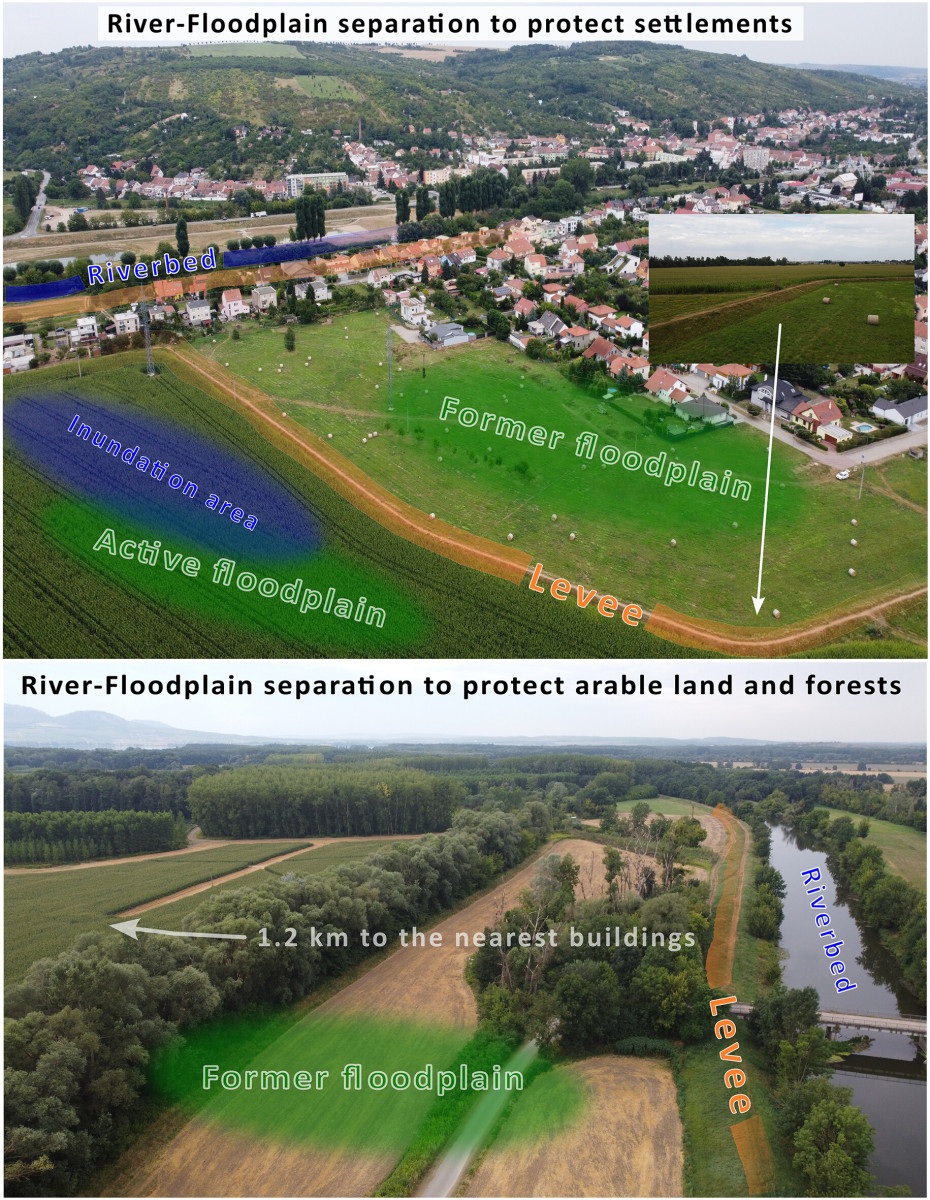
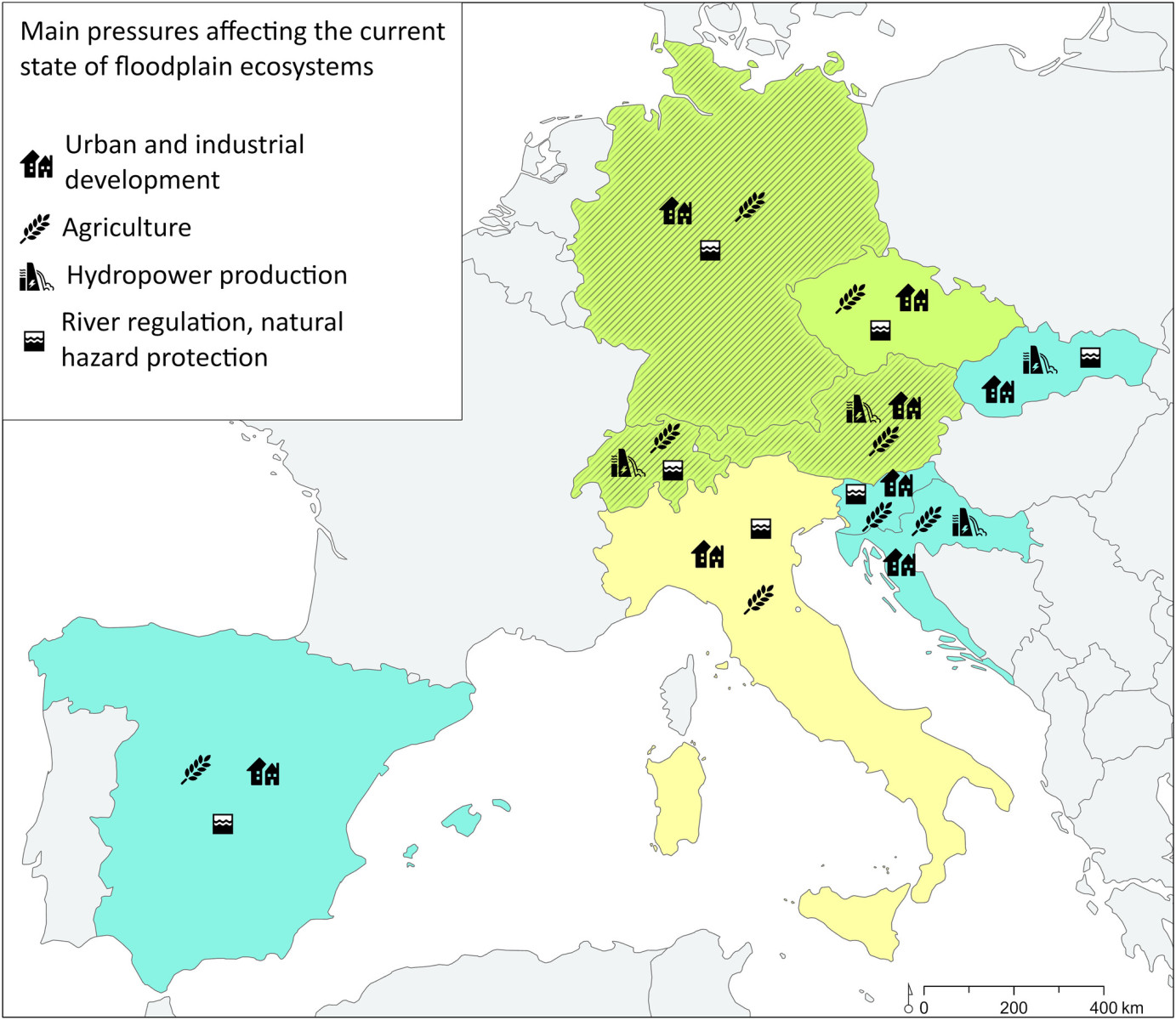
This scientific review examines the tension between the conservation of river floodplains and their intensive use. Floodplains are suitable for both agriculture and settlements because they have fertile soil and are situated on flat terrain. However, it is precisely these advantages that lead to interventions such as flood defences, modified river channels or the development of floodplains. Whilst individual interventions may protect specific sites, they restrict the natural spreading of water and the river’s connection with the surrounding landscape.
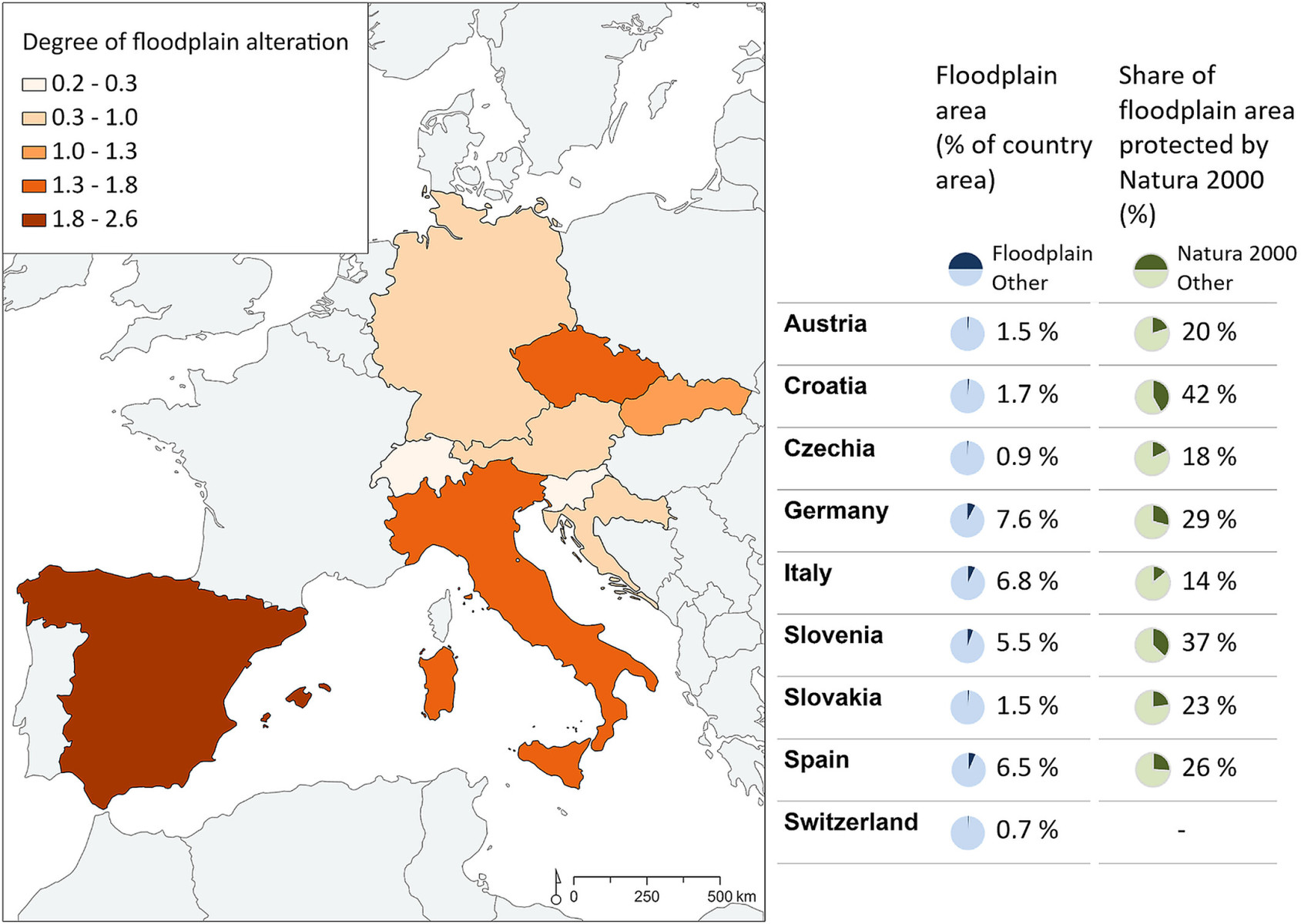
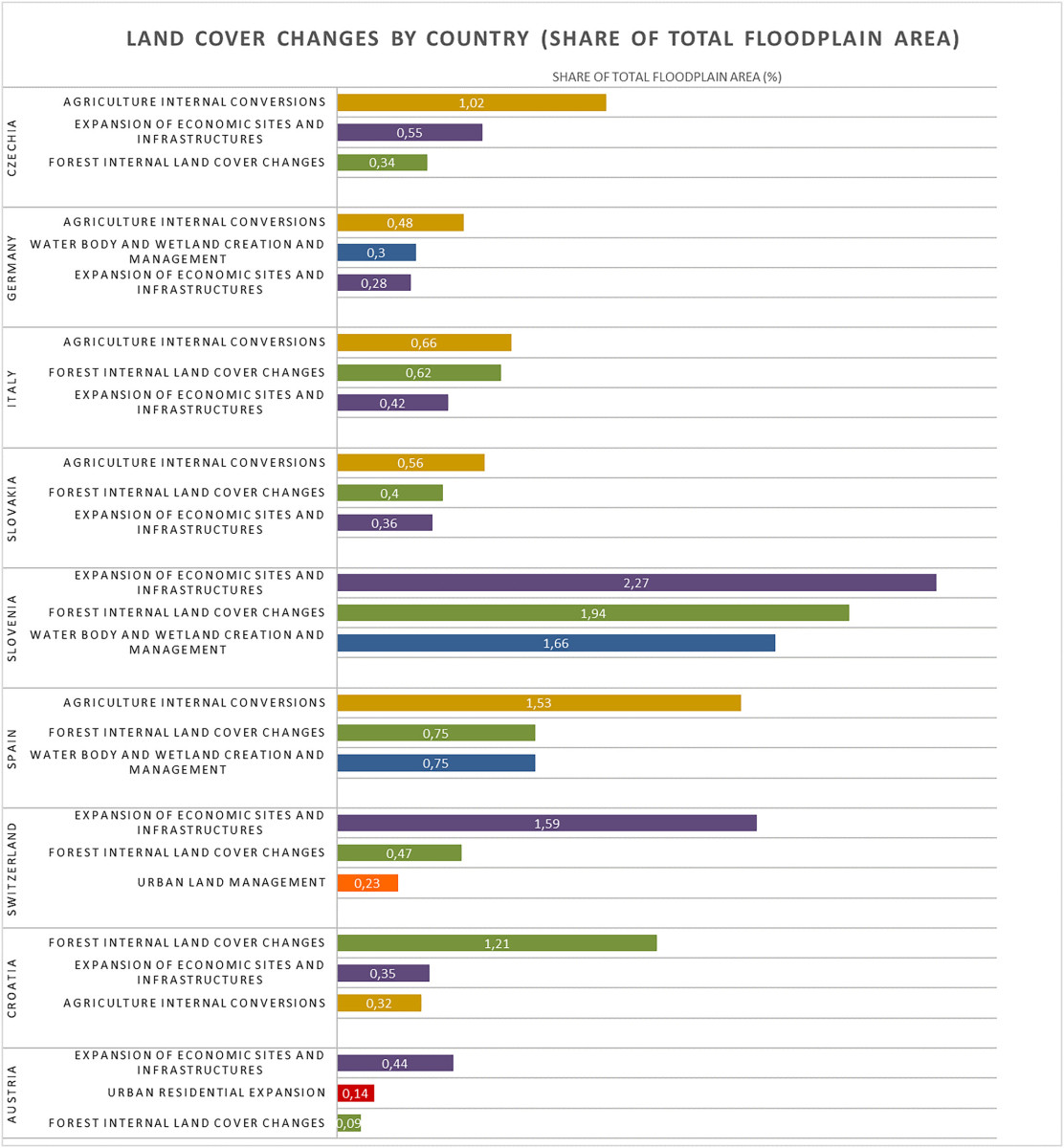
The authors compared approaches to floodplain conservation in selected countries of Central and Southern Europe. They point out that conservation often focuses on smaller, valuable sites, yet the riverine landscape also requires interconnectivity between them. Isolated protected areas may not ensure the continuity of wetlands and other water-dependent ecosystems.
One of the recommended approaches is to retain or restore areas for natural flooding where conditions and safety permit. This is not a rejection of flood defences, but rather a search for a balance between protecting residents, land use and the ecological functions of the landscape.
Why this is important
- For climate adaptation: functional floodplains support water retention, habitats and the resilience of the riverine landscape.
- For landscape planning: when making decisions on embankments, development and wetland restoration, the entire river system must be assessed, not just individual plots of land.
Publication: Jakubínský, J. et al. (2026). Floodplain Conservation Versus Landscape Development – How to Tackle the Multifunctional Management Issue. WIREs Water, 13(2), e70066. IF 2025: 8.7; JCR 2025: 5/132 in the Water Resources category (D1).
Link: https://doi.org/10.1002/wat2.70066
The article forms part of research carried out within the framework of several projects, not only in Slovakia:
- APVV-22-0428 — Marginalised Roma communities in the context of natural hazards and social inequality
Prepared by: Tomáš Goga | With the assistance of GPT-6 Astra.